Do not go gentle into that good night, Old age should burn and rave at close of day; Rage, rage against the dying of the light
Written by Welsh poet Dylan Thomas in 1947, the poem ‘Do not go gentle into that good night carries many meanings. Originally written for his dying father, the poem is a plea for him to keep fighting and an expression of anger and frustration at what is happening to him.
Dylan Thomas passed away November 9, 1953 at the age of 39 years. He contracted pneumonia after a night of heavy drinking. One can infer not only by the poem but by the drinking and early death that the loss of his father surely had a detrimental impact on his life. His legacy, however, lives on through his poetry much like many past and present writers.
The use of repetition emphasizes his plea and each line demonstrates a combination of regret, dispair, and helplessness people feel toward their end.
The first line denotes the need for one to rebel against old age-not to let it consume you, but to live every day to its fullest.
Though wise men at their end know dark is right, Because their words forked no lightning they do not go gentle into that good night
This line suggests that even though one is old and they know their time is near and that it’s a natural thing they should accept, they still fight against it because they might have one last thing to say. They regret the things they didn’t say and the many things that will remain unsaid after.
Good men, the last wave by, crying how bright Their frail deeds might have danced in a green bay, Rage, rage against the dying of the light.
Good men grieve at all the good deeds they could still do if they only had more time on this Earth so they press on to continue their good deeds as long as they can. When their time is finally up, they are sad and full of regret at the good things that were left undone.
Wild men who caught and sang the sun in flight, and learn, too late, they grieved it on its way, Do not go gentle into that good night.
Individuals who lived wild, free, and reckless want to continue to do so and when their untimely end is near, they do not want to go. They want to continue to live as wild and free and want to live and explore forever. They don’t want it to end.
Grave men, near death, who see with blinding sight Blind eyes could blaze like meteors and be gay, Rage, rage against the dying of the light.
People who know they’re dying or on death’s doorstep still fight against it even though they know it’s inevitable. Perhaps, this line suggests an almost natural rebellious instinct.
And you, my father, there on the sad height, curse, bless, me now with your fierce tears, I pray. Do not go gentle into that good night Rage, rage against the dying of the light.
His final, most heartfelt plea for his father to keep fighting and live is illustrated in the final line as he is talking to him on his deathbed. He is filled with strong emotions tying into the point of the poem which is a long drawn out plea to keep fighting. He’s giving many good examples throughout of how all these other people push through and he just wants his father to pull through in the same way.
Throughout the years, this poem has been used as a source of inspiration for many groups. It was even featured in the 2014 hit film Interstellar to which it was the fuel for the astronauts to not give up on their mission and keep trudging onward for a better future for humanity which would have been left to die on an uninhabitable planet.
Media is not the only place this work of writing has been used as a catalyst of motivation. Today, many individuals have used it to advocate against despair or decline. Many motivational influencers on social media have chosen this poem to use as a background for their videos. Whether the videos were for workout motivation, or daily life motivation in general, the poem and its words still create a powerful effect.
Seventy years after the wintery night it was debuted, the poem is still a popular source of inspiration for many no matter what they are struggling with. It is a wonderful poem that should be celebrated and cherished. While it was once the outlet of a poet releasing the grief of his dying father the only way he knew how, it can be used as a means of inspiration no matter what the situation is.
Things may seem rough in the world we live in today. America is experiencing a major affordability and housing crisis, there has been and still is a war with Ukraine, and we have suffered many a pandemic and are working out ways to combat any future pandemics. However, with all of these things, humanity remains tough.
Too many articles in the news share nothing but negativity. This may lead some into a deep pit of despair and fear. Of course, when you hear nothing but bad news all day every day it tends to drop the vibe significantly. However, there is hope. Like, General Leia says in The Force Awakens; “Hope is like the sun. If you only believe in it when you see it, you’ll never make it through the night.”
There are many wonderful things in this world to keep fighting for and more good news in the world than what’s being portrayed on media. The best advice? Go out there and explore for yourselves rather than let yourselves be trapped by the magic box of pessimism. Do not go gentle into that good night and always believe good things are right around the corner. Even if it doesn’t seem like it right now.
After overestimating how much time I would have to write over the holidays, I have returned with one final Weekly newsletter of the year. Literally, since tomorrow is a new year. As we go into this new year, I wanted to share one last blog post which will be released later tonight. It is a small analysis of one of my favorite inspirational poems. I feel like it is fitting for this time of year as many will be making new year’s resolutions and needing the motivation to keep them.
I hope you all have a wonderful and safe new year and stay tuned for my newest short stories and news articles coming in 2026!
Your weekly newsletter with updates on blog posts and upcoming short stories!
Writing in Review:
Run for your life through the Field of Fright…
On the run with nowhere else to hide, a wanted man is forced to escape into a vast cornfield owned by the local mystery man of a small town.
They said never to go onto Mr. Davis’s land. That whole place is cursed.
But when the police come knocking at Marcus’ door at 2:00 in the morning, his options are limited and he never really believed in curses in the first place. As he flees through the mysterious farmland, he starts to realize he was perhaps safer in police custody as the monster in the cornfield proves to be more terrifying and more deadly than anyone could have ever imagined…
Fire alarms, sprinklers, and a flooded laboratory…
Packed with action and anxiety-inducing horror, step into the point of view of a scientist waiting to be rescued after a terrifying laboratory accident. Locked away in the dark for days with no food or water, sit beside them as they slowly start to lose their mind and all hope for rescue. Stay tuned for part two of ‘Drip Drop’ coming soon!
Coming Soon!!!
Do Not Go Gentle into that Good Night: A Call to Keep Going
Do not go gentle into that good night; rage, rage against the dying of the light. Written in 1951 by poet Dylan Thomas, this poem encourages a fierce and passionate approach to life, even in the face of death. This short blog post analyzes the poem’s original meaning as well as how it can be applied to adversities in life.
Eighteen days until the release of ‘Edge of Nowhere’ part two!
Coming December 5th, the thrilling and intense continuation of ‘Edge of Nowhere’. Brace yourselves as the troubled investigator steps foot onto the mysterious planet Suuma and unravels a mystery of a lifetime.
Your weekly newsletter with updates on blog posts and upcoming short stories!
Short Stories in Review:
Fire alarms, Sprinklers, and a flooded laboratory…
Packed with action and anxiety-inducing horror, step into the point of view of a scientist waiting to be rescued after a terrifying laboratory accident. Locked away in the dark for days with no food or water, sit beside them as they slowly start to lose their mind and all hope for rescue. Stay tuned for part two of ‘Drip Drop’ coming soon!
On the run on an uncharted planet…
‘Edge of Nowhere’ is a short story filled with suspense. Step onto a planet filled with mystery alongside a troubled private investigator as he unravels the perplex case of a missing vacationer on an uncharted and seemingly obscure planet in the middle of nowhere. Part two will be announced soon.
coming soon!!!
Two days left until the release of ‘Field of Fright’:
Keep your eyes peeled (and peel back the husks of some corn while you’re at it) for the newest horror/sci-fi short story. On the run with nowhere else to hide, a wanted man is forced to escape into a vast cornfield owned by the local mystery man of a small town.
They said never to go onto Mr. Davis’ land. That whole place is cursed.
but when the police come knocking at Marcus’ door at 2:00 in the morning, his options are limited and he never really believed in curses in the first place. As he flees through the mysterious farmland, he starts to realize he was perhaps safer in police custody as the monster in the cornfield proves to be more terrifying and more deadly than anyone could have ever imagined…
More Titles to be Released:
Edge of Nowhere Part Two
Drip Drop Part Two
The Path Less Traveled
The Inheritance
Moldy Cheese Bars
Into Eternity
The Fork and the Fae
Feel Free to check out my blog posts as well!
What is Fear? The Invisible Dream-Killer
Space: To Boldly Go or to Be Grounded Forever?
And Stay tuned for new blog posts between the release dates of the short stories:
Do Not Go Gentle into That Good Night: A Call to Keep Going
“We are, all of us, fragments of those who came before us and a foundation for those who will come after we are gone.”
L.P. Madera
Growing up, I was told my father’s side of the family was French-Canadian and my mother’s Scots-Irish. Not Scotch-Irish because Scotch is a whiskey, as my great-great-grandfather would say. That would make my brother and me French-Canadian-Scots-Irish, which sounds like an odd combination considering the both of us don’t look much like either, but what does that really mean?
When we talk about lineage, we often think of the more shallow aspects like what our parents, grandparents, or great-grandparents identified as. This is what supposedly defines who we are when we identify as European, Irish, Scottish, German, French, or whatever. Especially when we live in a community of individuals with whom we share ethnicity and physical traits. However, our roots run much deeper than that. These deeper roots of our ancestry are responsible for some of the phenotypic characteristics that make us appear ‘different’ from the typical person with whom we supposedly share our ethnicity. It can be frustrating to be told you are one thing but have phenotypic characteristics that make you appear to be something else according to others.
Throughout my childhood, I often wondered, “Do I perhaps have an ancestor, or ancestors, that passed these traits off to my mother, brother, and me? What did they look like? Where were they really from?” We never looked like the other Scots-Irish children from our community. Because of the shape of my face and eyes (which I inherited from my mom and she lovingly calls ‘moon eyes’ due to the crescent moon shape), I was often made fun of and labeled as Asian by some of my peers. My brother, on the other hand, inherited not only my mom’s ‘moon eyes’, but her darker skin as well making him look more South Asian to some. As I delved deeper into the realm of biology and genetics as a college student, I came to realize that it was not the shape of my eyes that gave me this look. My mother, brother, and I all share what is known as ‘epicanthic folds’ of our eyes. These are folds on the upper eyelids that cover the inner corner of the eye. There are many variations of this trait. From what I found from research articles, this trait is quite prevalent among individuals of Asian descent including those from Central Asia, North Asia, Southeast Asia, East Asia, Polynesia, and Indigenous Americans. However, it can occur less frequently in those of European descent such as Hungarians, Russians, and Scandinavians. One interesting theory I found was that this trait evolved for individuals living in colder climates. The extra fat and adipose tissue was said to help shelter the eye and sinuses from harsh, cold winds. Another was that this trait developed in equatorial regions to shield the eyes from harsh UV light.
The Genetic Aspect of it
Because I am a biologist and am passionate about sharing science with others, I will try to explain a few terms of genetics: Phenotype, genotype, and lineage. It is important to understand how they pertain to DNA and the human genome. DNA is described by many as the ‘blueprint for life’ because it contains everything needed to code an organism and help it function. To put this in simple terms, think of DNA as a computer code and the organism to which the DNA belongs, whether it be single or multicellular, as the computer program the code runs. The code consists of the four nucleotides Adenine, Thymine, Guanine, Cytosine, connected in an endless plethora of sequences. DNA is double-stranded with complementary nucleotides, or base pairing. Adenine pairs with Thymine and Cytosine bonds to Guanine through Hydrogen bonding. The variety of sequences code for the many different parts that make an organism unique and help it to function. An organism’s genetic makeup is known as the genotype. This is how the genes are organized and passed down to offspring. These genotypes code for physical characteristics that you can see; the phenotype. These can be hair color, eye color, eye shape, and any other visible traits. The characteristics can be recessive or dominant, meaning that one trait will show up over the other, even when the organism has alleles for both. However, genetics can be more complex. You can have codominance (think about AB blood type or pink flowers from a mix of red and white). You can also have incomplete dominance (think about tortoiseshell cats). Some traits even need multiple active genes to be expressed (yellow labs that have the genes for black or chocolate coats appear yellow because they have an active gene for no pigment). Furthermore, some genes will usually only be expressed by females while the others are generally male-dominant in what is known as sex-linked inheritance. There are even traits that can skip one or multiple generations and appear many years later, leading to a change in phenotype.
As you can tell, genetics can be quite a complex, yet fascinating topic, and I have only brushed the tip of the tip of the iceberg. There are so many other factors and I’m not even going to go in-depth on the combinations of DNA that get passed to offspring/split during reproduction, or how genes can do random crossing and combinations. however, I recommend you check the links I have provided if you are interested in reading further.
The Reason Behind this Journey of Discovery
Now, to get to the point. To fully grasp why I am rambling on about the subject and why I have begun this fascinating genealogical journey of self-discovery, you must first understand the motivations behind it. I have already disclosed one of these in the previous paragraphs. Growing up, I had a lot of issues with my identity because my mother, brother, and I looked ‘different’ according to other people. I also never really knew my ancestors or where I came from. In school, we would have little Dia De Los Muertos celebrations for Spanish class and I would always wonder which of my ancestors to remember. I’m sure it was like this for many of today’s youth as well.
The other reason was the death of my maternal grandmother. She passed away unexpectedly on November 17th, 2021. It shocked everyone in the family to their core. While she and I never shared religious/spiritual viewpoints (a topic we preferred to just avoid altogether so there would be no conflict), we did share a love for science fiction (Frank Herbert’s Dune and Gene Roddenberry’s Star Trek especially) as well as genetics/genealogy. While she was still alive, she, my mother, and I took several ancestral DNA tests and compared results. These included tests from Ancestry DNA, MyHeritage, and CRI genetics.
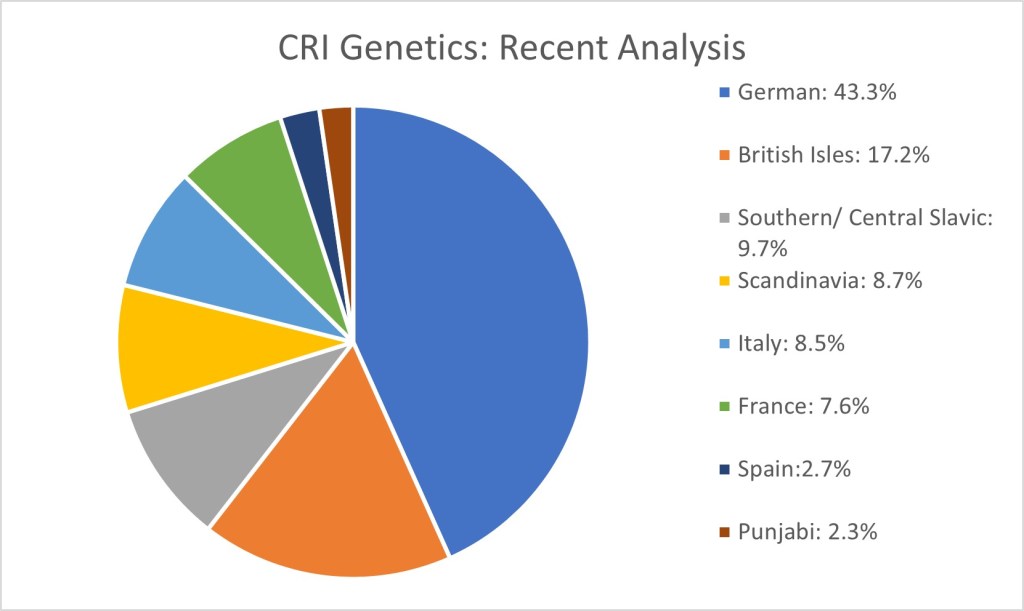
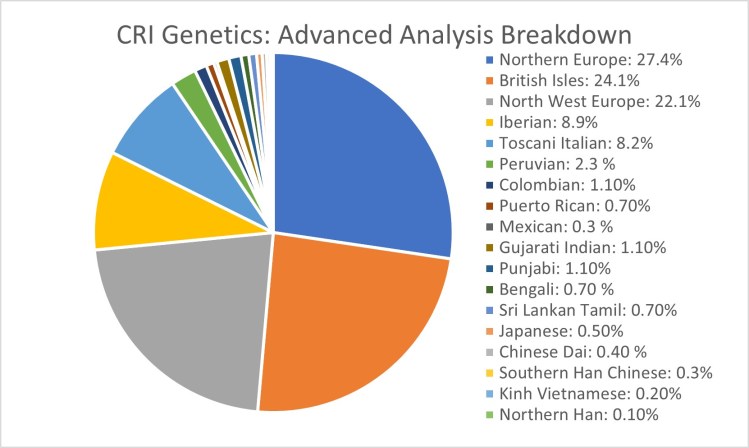
Upon observing the different tests, it appeared that Ancestry only tested for the most recent ancestral lineages (Mine were: 32% Scotland, 23% England/Northwestern Europe, 18% Ireland, 17% Sweden/Denmark, 5% Germanic Europe, 4% Eastern Europe/Russia, and 1% Finland). However, MyHeritage and CRI genetics went deeper and explored older ancestors. From MyHeritage, I found that I had higher percentages of Scandinavian, Western European, and even some Iberian, Greek, and Ashkenazi Jewish. These results, I have compiled into different pie charts to help visualize the percentages better. While I didn’t take a CRI Genetics test, I am using my mom’s results. They conducted a recent analysis, which looks at five generations of her ancestors. The advanced analysis looked even further back. It went thousands of years well beyond the last five generations and looks at some of the oldest ancestors in the family history. This advanced ancestry broke her results into European, AdMixed American, South Asian, and East Asian. These four categories were broken further into smaller segments which is shown in the graph below. It was the most fascinating thing to find out because while the percentages were relatively low, perhaps it was these phenotypic traits that were expressed in my mother, brother, and me.
The Relic
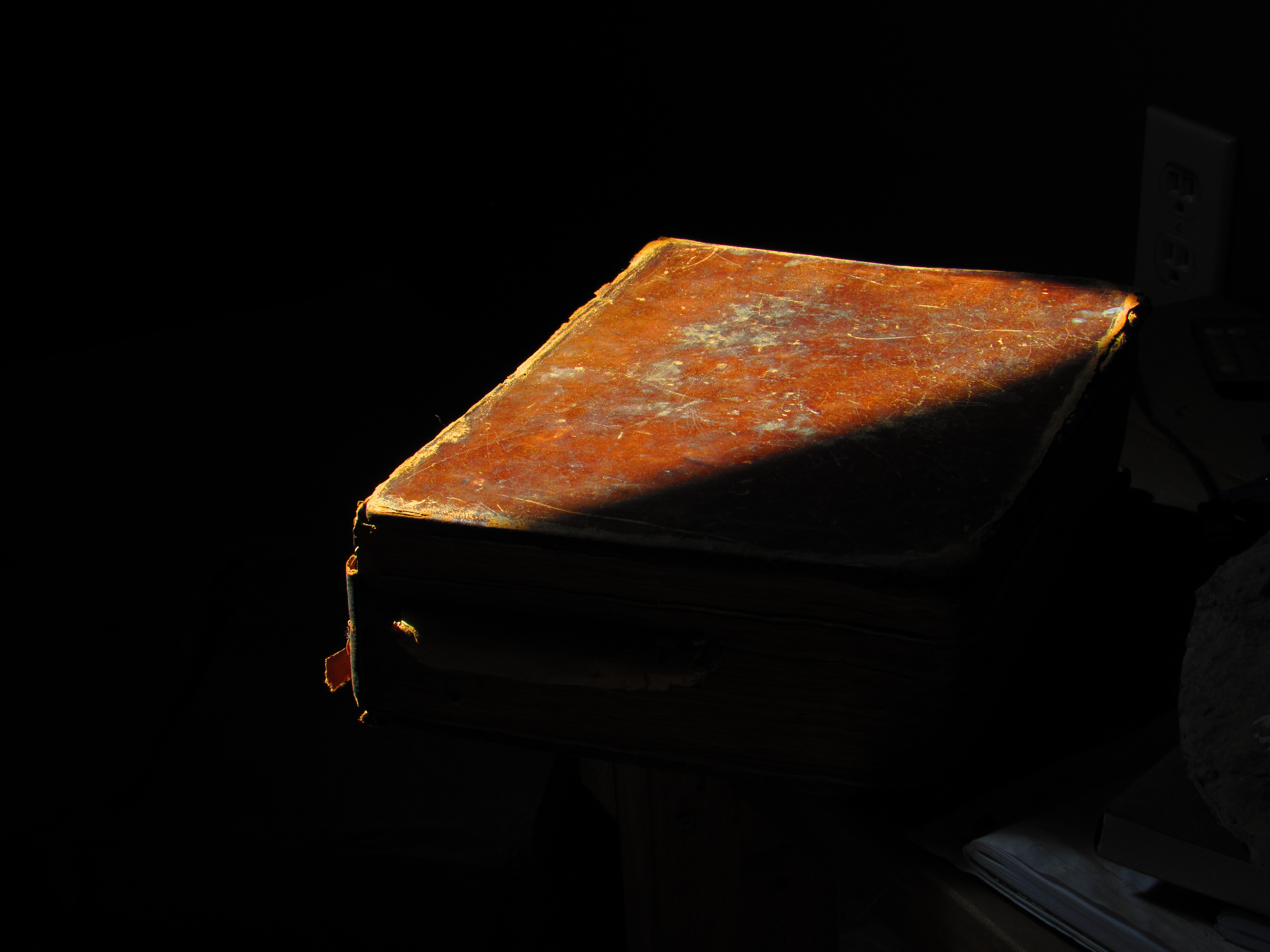
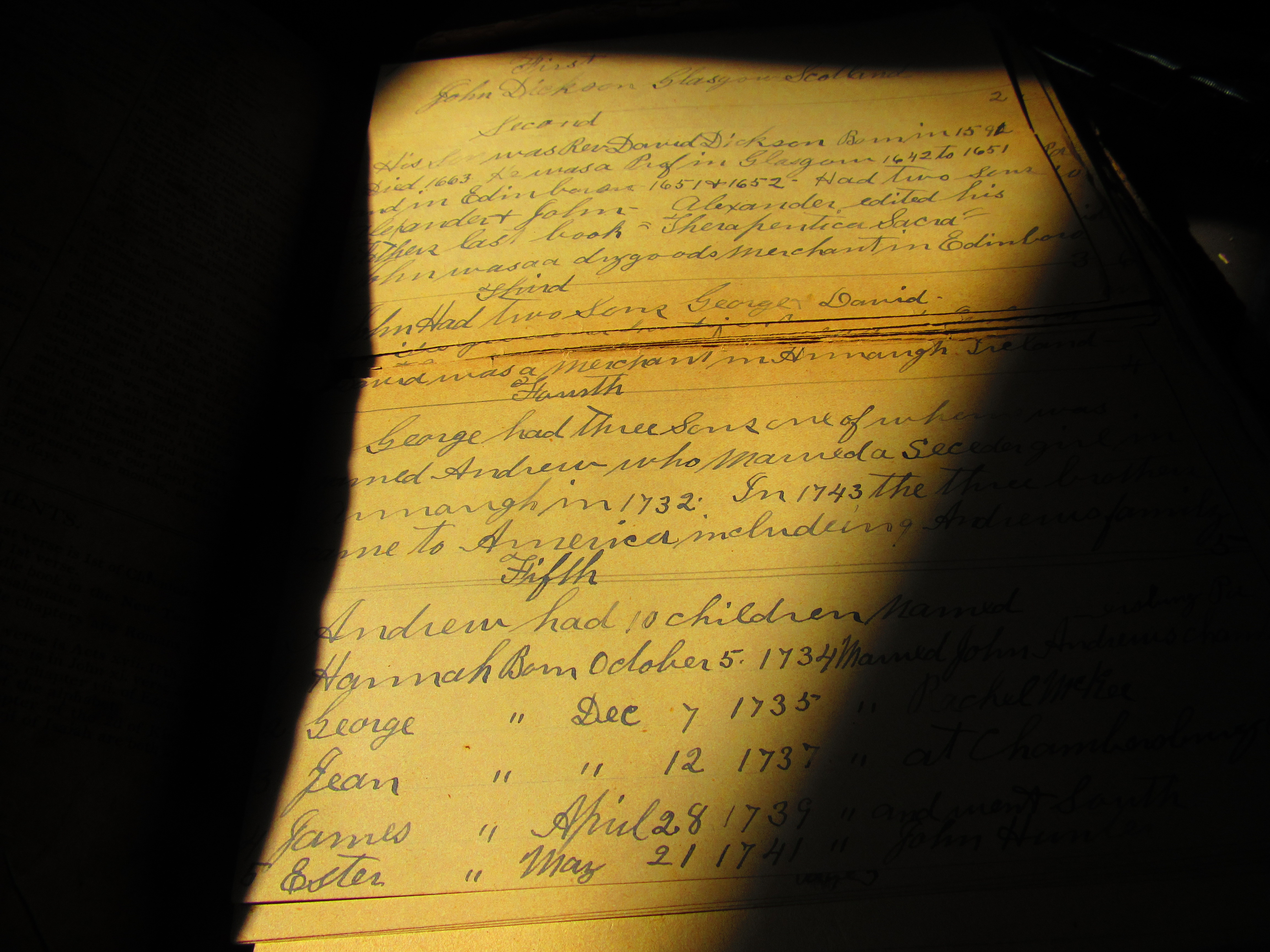
Fast-forward to the week of November 17th, 2021, and the days that followed. I was emotionally numb and couldn’t believe my grandmother was gone just like that, in the blink of an eye. She hadn’t even gotten to see my book published yet, which was something she was excited about. It was Thanksgiving break and I was trying to find something to do to keep my mind off of things. That was when my mom brought home an ancient family bible that was passed down through many generations on my grandma’s side of the family. Looking at it sent shivers down my spine. This thing looked like something Sam and Dean Winchester would read out of and it was truly terrifying. The bible was wrapped in an old, brown paper sack and bound in an ancient string. It looked like something that would put a curse on us if opened, yet curiosity got to us and we opened it anyway. It was from the 1800s and the binding was old leather wrapped around wood boards, not like the pressed cardboard of today’s hardbound books. There were newspaper clippings and ancient pictures of relatives I’d never seen before. Their eyes looked as though they would burn a hole through my pupils and into my soul. One of the most fascinating items was an old piece of parchment that had been handwritten with a quill and ink! It contained names of the people to whom the bible was for (the Dicksons). There were names of the children as well as the years of birth and death and who they had married. Some of these people even dated back to the Revolutionary War and beforehand. I was now fully intrigued to find out everything I could about my ancestors. I took some dramatic photographs of the bible and posted them below. These images themselves will likely curse all who gaze upon them (muahaha).
Tree Work: Digging through the Roots
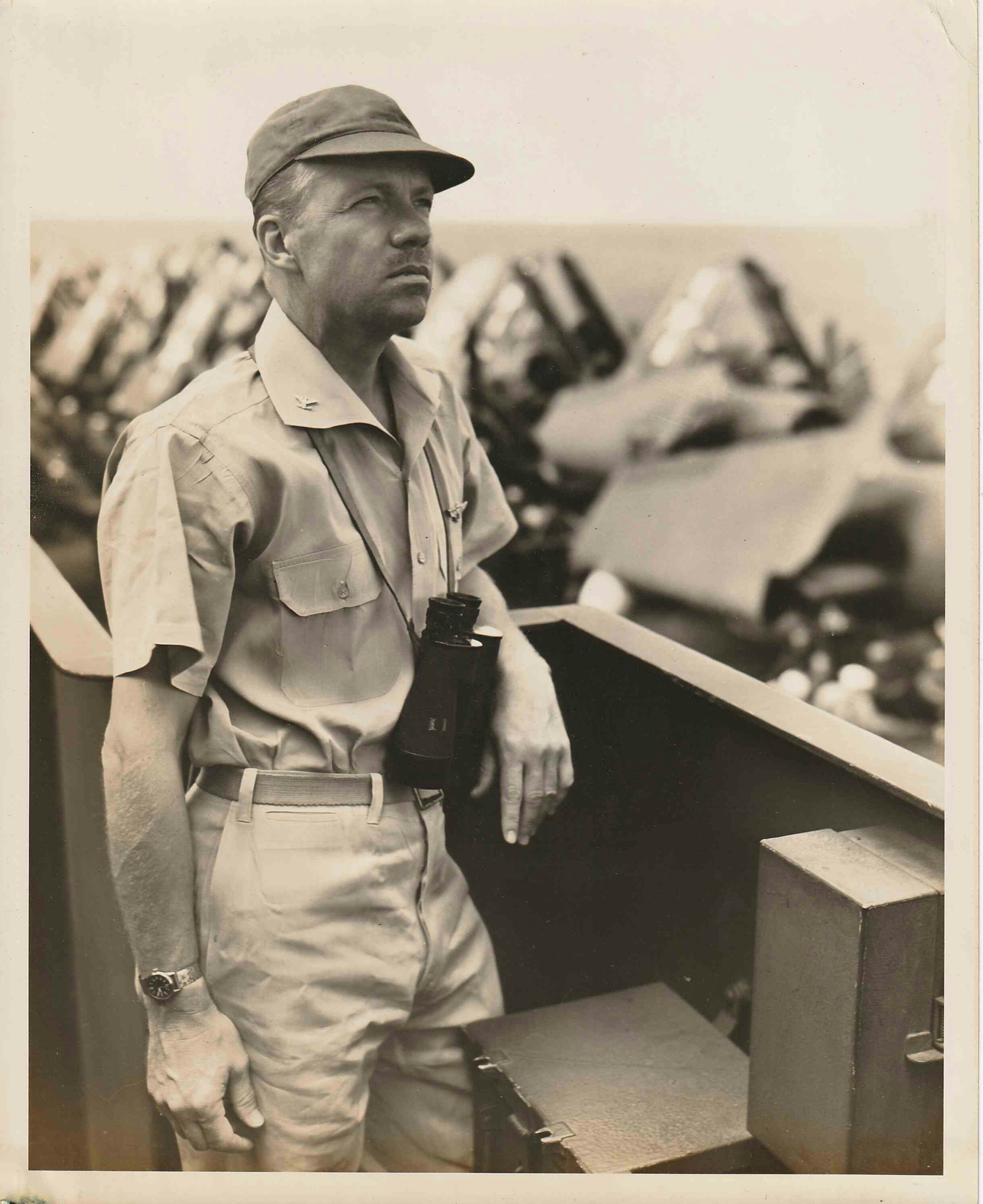
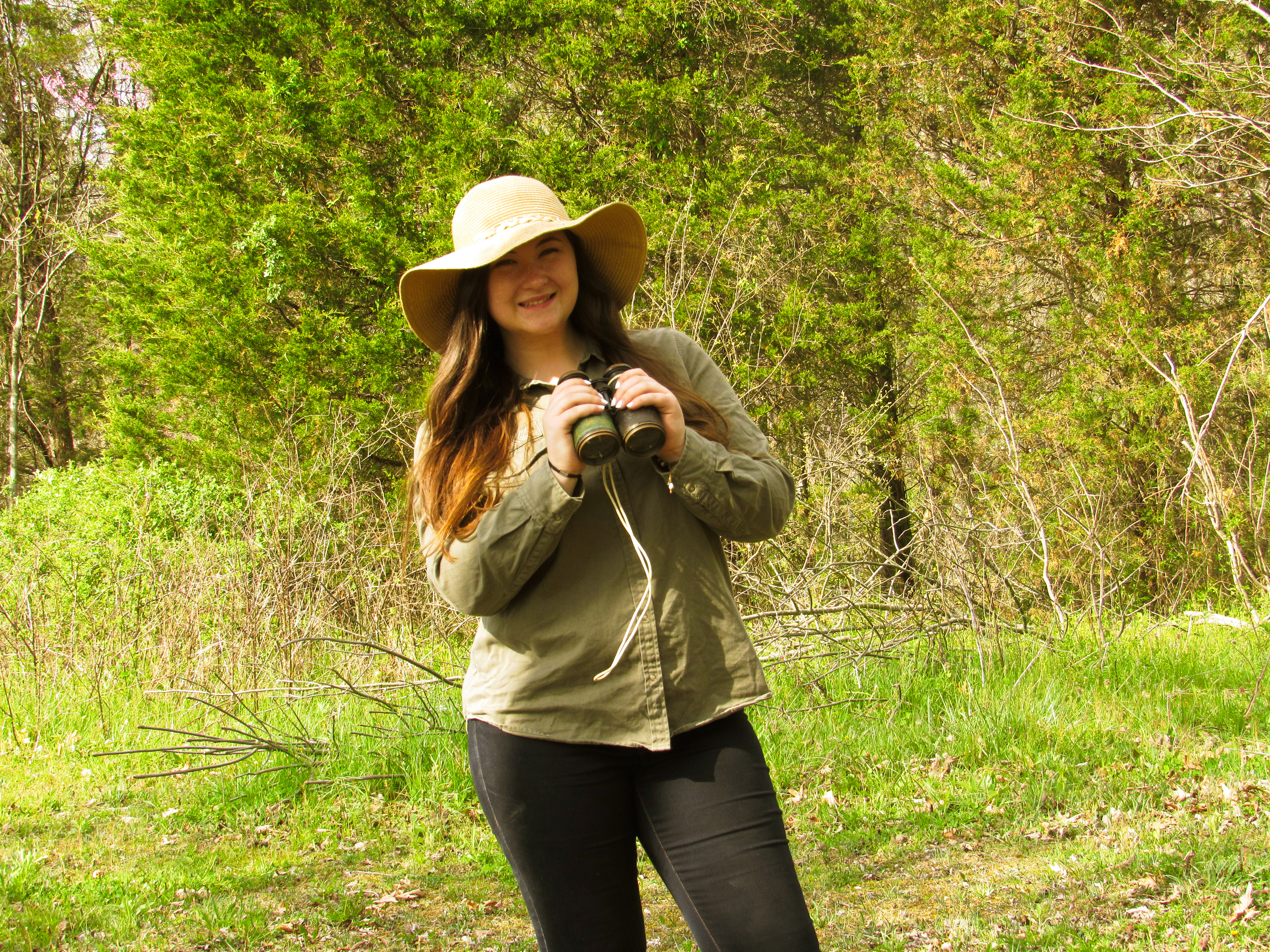
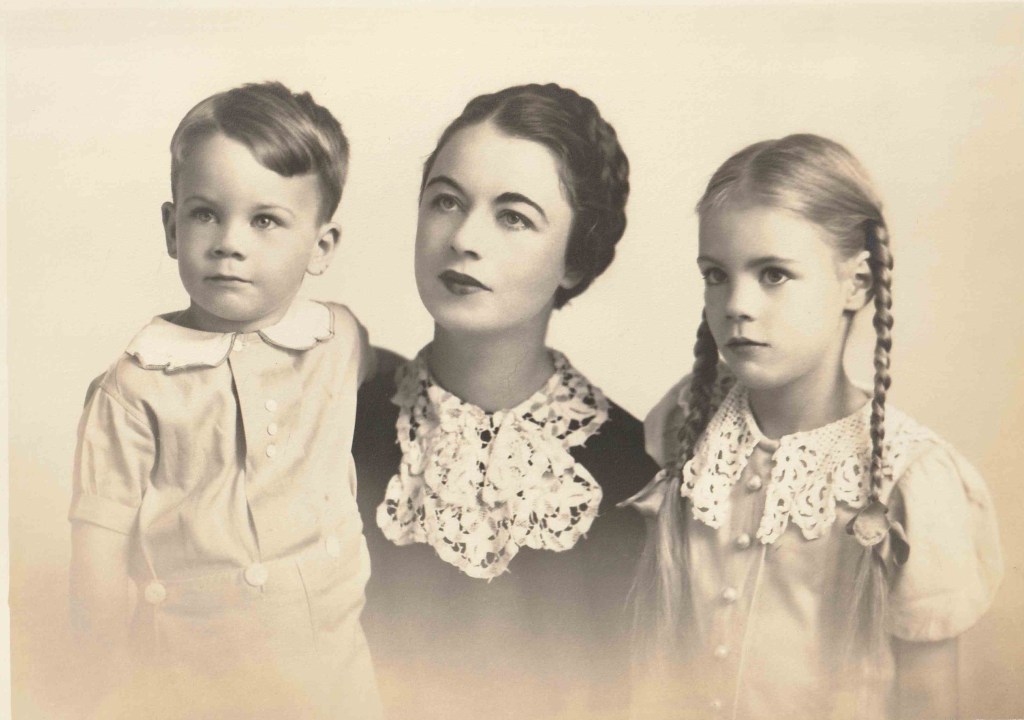
For the days leading up to my grandmother’s funeral, my parents stayed with my grandpa to keep him company. They asked if I could watch their house for them and keep the woodstove burning since it was cold that week. I was now alone and more restless than I had ever been (despite having to prepare for finals week for which I had no concentration whatsoever). I continued to look through some of the other totes that had belonged to my grandmother. The possessions included many beautiful handwritten letters and telegrams from her to various family members in Topeka, Kansas (her hometown). There were also photographs I had never seen before of her grandmother and grandfather (Susan Estelle Milne, and Captain Patrick Henry IV). It was quite amazing to see these pictures as I had seen other photos of them when I was younger but forgot what they looked like. I was also too young to really pay much attention to the family history. Grandma gave me Pat Henry’s World War II Navy binoculars four years ago which I have now made a shelf for in my office along with photos of the family. I was also surprised to find that Susan Estelle, her mother, and her children, shared the same almond-shaped eyes with epicanthic folds that I had. Perhaps this is where the phenotypic trait came from.
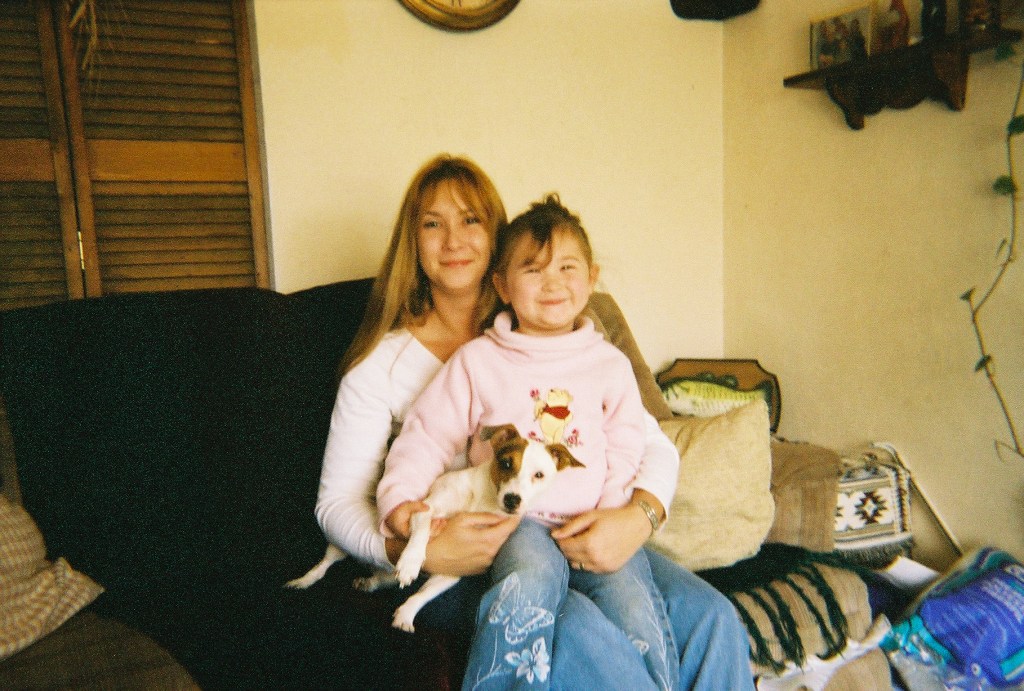
Captain Patrick Henry IV with his binoculars on a Naval aircraft carrier (Left) and me holding his binoculars many years later (right)Susan Estelle Henry with children Patrick and Susan Ione in ShanghaiFour generations of Susan womenMeMy mother and I when I was little
However, just the photographs and letters wouldn’t cut it for me. I still had to know more. Therefore, I purchased an add-on to my free Ancestry account which allowed me to access many more databases and files. This is where I began my family tree work! With each hint, information, and ancestor I found, the more addicting it became. I felt as though I was putting together one huge puzzle piece. When I hit a dead end on one part of the family, I would just grow another part. I was able to trace back family members on my mother and father’s side many generations! Some of the most interesting family members besides the entire Henry line had to be my fourteenth great-grandmother, Lady Isabella Maitland Heriot of Thirlestrane Castle in Berwickshire, Scotland! I thought that was pretty badass that she was born in a castle as was her family “You go, girl!”. Her father was a lord and poet to Queen Mary of Scots. She belonged to the Dickson side of the family. There were so many family members I discovered, it became difficult to keep track of them all. I now have five hundred and sixty-seven people in my family tree and the number keeps growing! Some other interesting information I found was on my paternal grandmother’s side. I now know my dad really is French-Canadian. In fact, I would consider him more of a Canadian than an American. It was fascinating looking through that entire line and seeing the amazing French names I had no idea how to pronounce. There were also many Swedish ancestors on my maternal grandmother’s side. However, one of the most promising discoveries was that of my sixth great-grandmother on my maternal grandmother’s side. Her name was Mary Ann Ogle. She was born in North Carolina in 1793 and was believed to have been full-blooded Cherokee. Although, it has not been confirmed.
Mary Ann Ogle
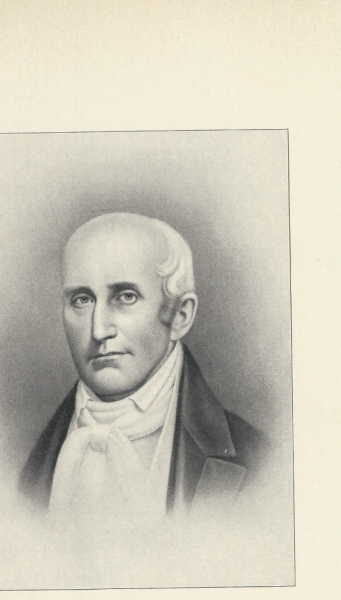
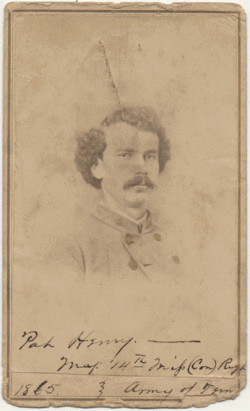
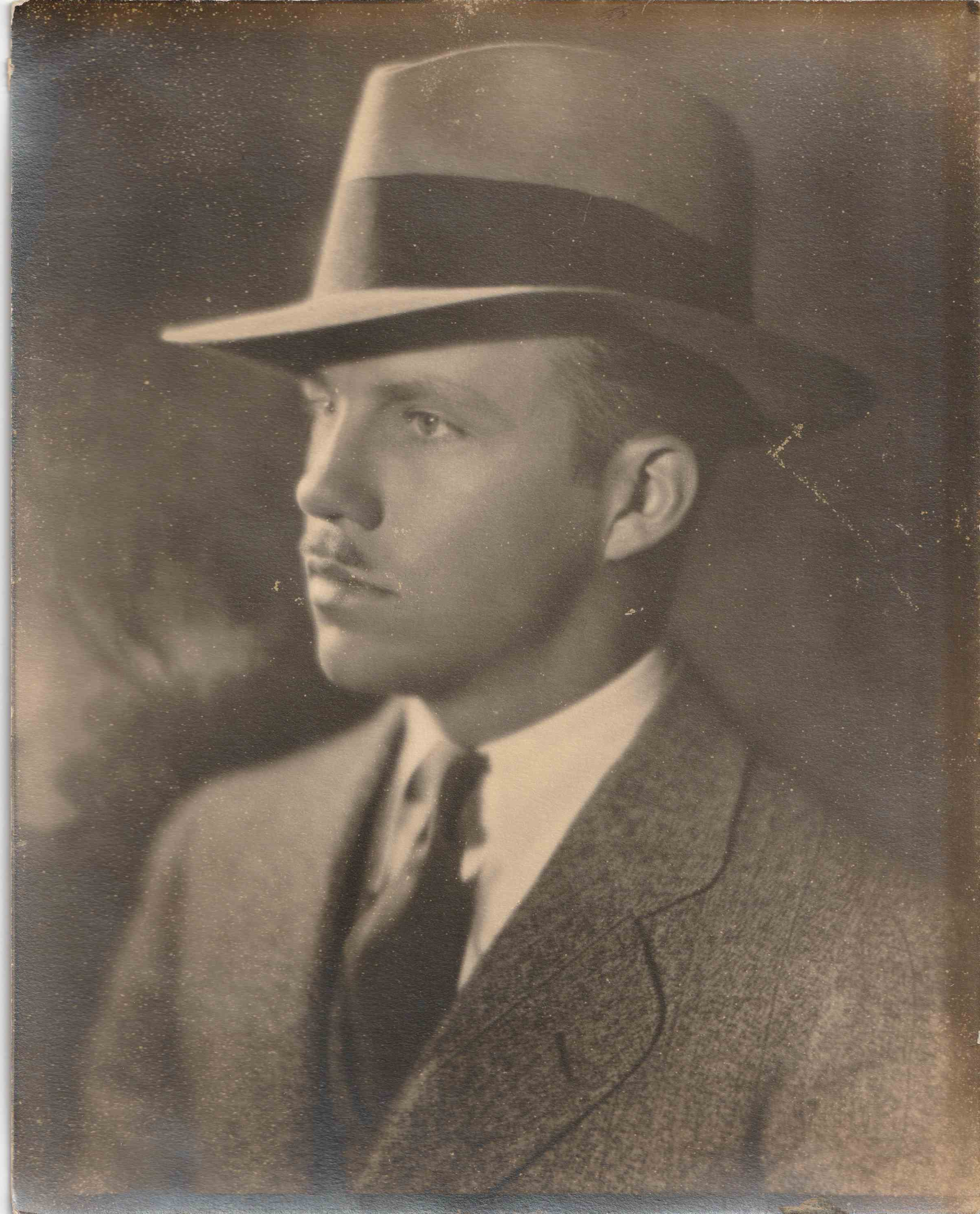
Top from left to right: Major General William Henry, his son General Patrick Henry, and Patrick Henry Jr. Bottom: Captain Patrick Henry IV and his wife, Susan Estelle Milne Henry
The Revelation
The day of my grandma Sue’s funeral came; November 23rd, 2021. She didn’t want anything too fancy, so just the immediate family came as well as one of her best friends. However, my brother and I had a competition to see which grandchild could dress the classiest (I think I won hands-down). We stood around her casket and said what was on our minds, to which I finally broke and cried. As I rode home in my parent’s car and thought about my grandma as well as the rest of my ancestors I was discovering, the quote at the beginning of this post came into my head. “We are, all of us, fragments of those who came before us and a foundation for those who will come after we are gone.” What does this mean? you may be asking yourself.
You see, as I delved deeper into my family history, I found many interesting details. Not only did I see some cool people that lived in castles, but I found two other things that had an impact on me. The first was the difference in where my mom’s side of the family originated in America versus my dad’s. My mom’s side was all from the south. They settled around Missouri, Kansas, Texas, and Arkansas. Some members fought on the Confederate side of the Civil War. When I looked into my dad’s side, while most were from Quebec and didn’t really get involved in the U.S’s problems, the ones that did fought on the Union’s side. As I moved forward in history, I discovered that both sides had members that fought side-by-side in both World Wars I and II, with one of my dad’s relatives coming from Warsaw, Poland only to be thrust back over in WWII. The second shocking discovery that sent shivers down my spine was that in the times these people existed, they had multiple siblings, of whom most died in childbirth or childhood. On both sides, these ancestors had upwards of twenty siblings. Quite a few of them didn’t even make it past the age of three or four. However, the ones that did make it to adulthood, including my ancestor, survived to have multiple children of their own.
Seeing this made me realize how precious life really is. If we all look at our ancestry, even if we don’t fully know our ancestry, there is one common theme: Survival. Somehow, the person that would go on to give birth to your ancestor and their siblings survived so much that could have taken their lives, whether it be the plague (the Bubonic wiped out nearly two-thirds of Europe’s population alone.), wars, poverty, famine, or even childbirth/childhood. Some of these ancestors had to survive multiple, one after the other, and yet, still, they survived. They all survived so that each of us could be here today. Any of the above circumstances could have wiped that ancestor out and caused any of us not to be here today.
It really is quite a humbling thought. While I do not agree with the ancestors that fought on the confederate side, I acknowledge they survived to bring forth the people that gave birth to me. I also find it fascinating that these two sides (my mother’s and father’s) who were opponents at one time, came together and fought in both World Wars and then migrated to where my own mother and father met and had my brother and me. Two sides that, at one time, had so much to dislike each other for, somehow came together to create me. It is like this for many of us. We are all survivors and a lot of us have ancestors with darker pasts that we can only hope to learn from in order to contribute to a better future. That is the meaning of the quote.
I am excited to continue my journey of self-discovery through genealogy and am now determined to trace my ancestry back all the way. While this may seem like an impossible feat that will surely take my entire life to accomplish, it is something that I have found a passion for and hope to pass down to the future generations in my family so that they will not spend their childhoods like mine, not knowing where their phenotypic characteristics came from. Unfortunately, my paternal grandmother also passed away unexpectedly a few months ago. This added to the heartbreak I was already feeling from my maternal grandmother’s passing. I was mostly disappointed because I was excited to ask her questions about my father’s ancestors as I knew she always loved sharing that information with me. However, I know now that they are both at peace. If there is an afterlife, I can imagine them sipping coffee and looking down at us living descendants with hope as we navigate our way through this life. I know no matter where they are, they are happy and rooting for us.